
















Controlling Pests
Indoor Pests
Ants
Locate the place of entry, squeeze a lemon onto it and leave the peel. Ants will also retreat from lines of talcum powder, chalk, damp coffee grounds, bone meal, charcoal dust and cayenne pepper.
Fruit Flies
Pour a small amount of beer into a wide-mouth jar. Cut the corner out of a plastic bag and attach the notched bag to the mouth of the jar with a rubber band. Flies will enter and be trapped. Change the beer when necessary.
Moths
Keep vulnerable clothes dry and well aired. Place cedar blocks or chips in storage areas. Camphor can be used, as it is the major, non-toxic ingredient of moth balls. To trap moths, mix 1 part molasses with 2 parts vinegar and place it in a yellow container.
Cockroaches
Plug all small cracks along baseboards, walls and cupboards; and around pipes, sinks and bathtub fixtures. A light dust of borax around the fridge, stove and ductwork is effective in controlling cockroaches. For a trap, lightly grease the inner neck of a milk bottle and put a little stale beer or a raw potato in it.
Flies
Attach screens to doors and windows where flies usually enter your home. Close windows before the sun hits them. Use regular sticky flypaper to catch unwelcome flying guests. You can make your own with honey and yellow paper.
Stored Food Pests
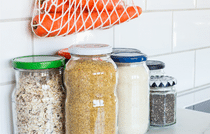
Keep mites and moths out of your staples by drying the food in a warm oven (70ºF, 20ºC) for one hour or by freezing for 2-3 days. Always store foods in air-tight containers. Weevils' favorite foods are beans and grain. To keep them away, hang small cloth sacks of black pepper in your food bins or around your food storage areas.
Garden Pests
Find out which non-chemical fertilizers aid in controlling insects, and how to fortify your plants with proper soil care. Pesticides carry the suffix "cides," which mean "killer". Natural pesticides are cheaper and safer for your family and are usually "pest-specific".
Learn to promote the population of beneficial pests such as lady bird beetles, bees, fly larvae, lace-wing larvae (aphid lions), praying mantis, dragon flies, predacious mites and thrips, spiders, toads, garter snakes and birds. Investigate "companion planting," which can provide a natural barrier to bugs.
All of these recipes can be used for indoor or outdoor plants.
Diatomaceous Earth
Made from the skeletons of tiny organisms, this dust controls pests by causing dehydration and death. Can be used indoors and out. Please follow manufacturer's instructions carefully.
Garlic
Mix 4 qts. water, 2 Tbsp. pressed garlic (do not use garlic powder, as it will burn the plants), 3 Tbsp. of diatomaceous earth (see above), and 1 tsp. rubbing alcohol. Can be frozen for later use.
Hot Peppers
Blend 2 or 3 very hot peppers, ½ onion and 1 clove garlic in water. Boil, steep for two days, and strain. This spray will not damage indoor or outdoor plants and can be frozen for future use.
Soap
Use only pure soap, as detergents will damage your plants. (Liquid soaps: 2 Tbsp. per qt. of water. Dry soaps: 4 Tbsp. per qt. of water.)
Be sure to rinse the plants with fresh water after pests have been controlled.
Tips for Other Products
There are some products that have few or no non-toxic alternatives. To protect the environment:
- Use the entire product according to the directions.
- Sell items at garage sales if in good condition and labeled.
- Give unused portion to others who can use them.
- Dispose of the remaining product properly


