













Microsoft and Johnson & Johnson Sign PVC-Free Pledge

by Marti Matsch and Erin English

Pop quiz: how well do you know your plastics beyond what’s OK to throw in the recycling bin? Do you know what your infant’s teething ring is made out of? What is your software packaged in? Do you care? Well, there’s one plastic in particular you should familiarize yourself with, and that’s Polyvinyl Chloride or PVC – a material often referred to as the “poison plastic,” as its negative effects on our health and the environment are many.

Corporate giants Microsoft Corp. and Johnson & Johnson were recently targets in an anti-PVC campaign led by the Center for Health, Environment and Justice (CHEJ), and have readily agreed to stop purchasing the harmful plastic. This is great news, and a perfect example of how businesses are able to vote with their dollars for less toxic and more resource-efficient products and services. Microsoft says they will discontinue packaging all of its software offerings in plastic “clamshells” and “blister packs” by the end of 2005, and Johnson & Johnson pledged to find alternative ways of packaging their health and beauty products currently offered in PVC plastic containers. Both companies signed the PVC-Free Pledge, an agreement endorsed by national and state environmental organizations.

In a letter to the CHEJ, Microsoft simply stated their reason for signing the Pledge: “We are concerned about the use of PVC in software packaging and its impact on the environment and health and safety of consumers.”

A little primer on PVC
According to the alarming new report by the CHEJ, PVC production fuses vinyl chloride molecules with toxic metals such as lead and cadmium, which are added as plasticizers and stabilizers. Because of the chemical properties of chlorine, the by-products of PVC production tend to be far more toxic, more persistent in the environment, and more likely to build up in the food supply and the bodies of people than otherwise similar chemicals that do not contain chlorine.

In use, the toxic substances added to soften the plastic do not bind to the toy, bottle, or other product and are therefore prone to leaching. When your child chews on a plastic PVC toy, they can be ingesting these chemicals. One such chemical, DEHP, has been designated a “probable carcinogen” by the EPA.

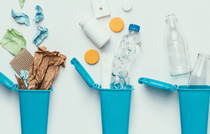
Because so many different additives are used to make PVC, recycling the plastic is extremely difficult, and any #3 bottles entering the recycling stream can contaminate a load of #1 bottles. When incinerated, PVC forms dioxins, a highly toxic group of chemicals that build up in the food chain. When landfilled, PVC poses significant long-term environmental threats as chemical additives can leach into groundwater.

Microsoft and Johnson & Johnson aren’t the only ones guilty of packaging products in the “poison plastic.” The material is used to make hundreds of products, such as cosmetic bottles, pets’ chew toys, plastic packaging and credit cards. The way to tell if something is made of PVC is look for the #3 symbol on it.

How do we tackle the problem?
In most applications, alternatives to PVC are readily available and cost-effective, and for that reason many countries in the EU are looking at banning PVC in certain products such as children’s toys.

In the U.S., it’s encouraging that heavyweights such as Microsoft and Johnson & Johnson are recognizing the adverse effects of PVC and using their buying power to bring about positive change. It’s important that others follow suit, and your help is needed. To avoid buying PVC, check the bottoms of all plastic bottles and reject ones carrying a #3 symbol. Let manufacturers know you want to see them use safer alternatives like #1 PETE or glass. For other products such as plastic toys or food wrap, check labels or call the manufacturers to see if their product is made with PVC.

For the full-length feature on the dangers of PVC and the availability of PVC alternatives, visit the Center for Health, Environment, and Justice.