





















Extended Producer Responsibility: Dell Did It, Now It’s Apple’s Turn!

by Erin O’Leary

Imagine a mountain that stretches a mile high and covers six acres, but instead of granite twinkling with fresh snow, this mountain is compiled of the 315 million or more obsolete computers in the United States. Lurking inside this growing mountain are brand name electronics, like Apple’s iPods, which contain toxic chemicals. Our kids need Apple to extend a helping hand and take back all their old equipment before it gets thrown away and pollutes our groundwater.


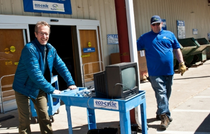
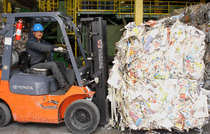
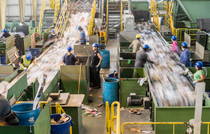
Currently, electronic waste (e-waste) is the fastest growing portion of our waste stream with only a mere 10% being recycled. Unfortunately, the vast majority of obsolete electronics end up in the trash, adding over one billion pounds of lead, mercury and cadmium into landfills. These toxins will eventually leak through landfill liners and even a tiny amount will create long-term environmental and health consequences.

Working to reduce the e-waste problem is the national Computer TakeBack Campaign and their call for Extended Producer Responsibility. Started by the Silicon Valley Toxics Coalition, the campaign places political pressure on electronics manufacturers and holds them accountable for recycling their obsolete products. Their first target, Dell, is now an industry leader in computer take-back policy. It is now Apple’s turn to take leadership by developing the best recycling system for its used machines and building cleaner and safer electronic products.

The Dell success story
As one of the largest electronics manufacturers in the world, Dell’s ability to influence the industry on a national and global scale made the company a perfect candidate for the TakeBack Campaign. Here’s why the campaign put pressure on Dell: the company lacked an efficient recycling program and clean production guidelines, failed to send company representatives to shareholder meetings involving toxic materials policy and relied on prison inmates to recycle outdated computers.

After months of public pressure, letter writing, emails and demonstrations, Dell heard the campaign’s demand for producer responsibility loud and clear. In a dramatic turn-around, Dell made significant improvements to their recycling program for consumer electronics, committed to the development of less hazardous products, and eliminated the use of prison labor. Dell’s customers can now recycle any computer from any manufacturer by registering online for a Dell Recycling kit. The kit arrives in the mail containing a pre-paid air bill and instructions on how to pack and ship the unwanted equipment. Consumers can also auction off or donate their old system through Dell programs.

Now it’s Apple’s turn
The ball is now in Apple’s court. The campaign is challenging the company’s CEO, Steve Jobs, to adopt the Extended Producer Responsibility model that Dell has. According to the Computer TakeBack Campaign, if Jobs is not held accountable for his company’s products, millions of Apple's obsolete computers and other electronic products will end up in landfills and incinerators causing millions of pounds of toxic materials to be dumped into our air, land and water.


In response, Apple recently announced that it will accept old iPods at all of its stores for recycling, free-of-charge. However, Robin Schneider, vice-chair of the national Computer TakeBack Campaign, isn’t satisfied and feels Apple’s announcement is just a small step in the right direction. Schneider explains, “The Computer TakeBack Campaign is glad that Apple is finally listening to us and to their American consumers and taking responsibility for some of their e-waste. Now, Apple needs to agree to take back its whole range of products and to offer free and convenient take-back to consumers who don't live near Apple stores.”