
















What does the Zero Waste Movement need?
Eco-Cycle International™
Eco-Cycle isn't just for Boulder County anymore: Our Eco-Cycle International™ staff work to take the best of what we’ve done here—our Zero Waste technology, model programs, trainings, policies, educational materials, research and reports—and share it with communities around the world. As we consult and network globally, we also take best practices from around the world to inform our programs here.
Our Latest National Report: Eco-Cycle’s Research Exposes the Problem with Plastic-Coated Paper Products in Compost
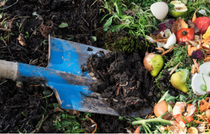
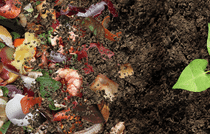
In several Zero Waste programs across the country, plastic-coated paper products like milk cartons and coffee cups are accepted in compost bins. The assumption, it would seem, is that after the materials break down and become compost, the plastic disappears and is never seen again. But everything goes somewhere, right?
Eco-Cycle has always opposed including non-recyclable, plastic-coated paper materials in compost. We suspected that this plastic never actually goes away—and now we have proof. In partnership with the highly-respected Woods End® Laboratories in Maine and international composting expert Will Brinton, Eco-Cycle has funded research showing that these plastic coatings DON’T go away in the composting process.
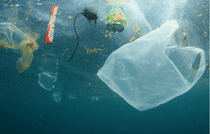
In fact, the plastic breaks down into tiny micro-particles, not visible to the naked eye, that remain in the compost and eventually make their way into our soils and waterways, adding to the growing problem of plastic pollution in the environment. In addition, new research indicates that micro-plastics may be harmful to living organisms in many ecosystems.
We’ve taken this breakthrough research on the road to several national conferences to spread the word and urge other composting programs to keep plastic-coated paper products out of compost.
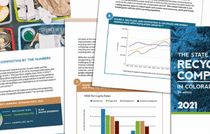
Read our report on micro-plastics in compost.
Coming soon: How can you tell if your product is truly compostable and plastic-free?

Four Policies to Keep Micro-Plastics Out of Compost
Unlike clean compost, which is invaluable for restoring the planet’s soils, the production and use of compost that is contaminated with plastic or other materials becomes part of the problem, rather than the solution. That’s why we’re pressing hard with a four-part message to all composters and Zero Waste Community planners:
1. All U.S. compost facilities should have plastic-free guidelines to prevent compost from being a source of plastic pollution.
2. The packaging industry needs to help us solve the problem through clear, standardized labeling for truly compostable and plastic-free products.
3. Manufacturers of non-recyclable paper products coated with petroleum-based plastics should switch to compostable coatings so that these products may be composted properly.
4. Using durables instead of disposables or compostables is always the most environmental choice.
© 2012 Eco-Cycle, Inc. All Rights Reserved. No content published by Eco-Cycle may be copied or printed for any use without the expressed written consent of Eco-Cycle. Want to reprint or redistribute our content? Please contact us.


Microplastics in compost 