














Dear Jan,
I wish this fact could join the ranks of tall tales like “gum stays in your stomach for seven years if you swallow it,” or “smoking banana peels gets you high,” or “Mikey from the Life Cereal commercials died from washing down Pop Rocks with soda-pop” (though this one does seem somewhat believable).
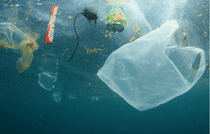
Unfortunately it IS true that there is a giant pool of predominantly plastic debris floating in the Pacific Ocean. It’s in a part of the central Pacific that spans over ten million square miles—about the size of Africa. Circular winds there generate ocean currents which pool seawater and anything in it into the center, creating what scientists refer to as the north Pacific central or sub-tropical gyre. This stable oceanic circulation pattern is the largest uniform climatic feature on earth and, sadly, it is also the largest natural accumulator of our society’s discards. According to researchers in this area, anything that floats into the northern Pacific, no matter where it comes from, eventually ends up here.
Historically, debris collected here didn’t pose a problem because it eventually biodegraded. Our modern waste stream presents a different challenge, however, since so much of our waste is synthetic plastic that no bacteria can fully degrade. In fact, plastics comprise up to 90% of floating marine debris.
Captain Charles Moore of the Algalita Marine Research Foundation (AMRF) has extensively scuba-dived and sampled this region. He estimates there are six pounds of plastic for every one pound of plankton accumulating in this enormous sink as a result of ocean currents pulling plastic from our shores over the last fifty-odd years.
The plastic is coming from both inadvertent and intentional dumping of debris in the ocean (or in rivers that eventually run to the ocean). According to AMRF, even we in land-locked areas are part of the problem since land-based sources contribute 80% of marine debris.
In addition to the usual assortment of junk you might expect – plastic bags, pieces of plastic lighters, plastic bottle caps—Captain Moore found the bulk of waste to be “nurdles,” tiny plastic pellets used by industry in the production of everything from CDs to plastic pipe. Nurdles find their way from manufacturing plants into the stomachs of marine life who mistake it for food.
All this plastic poses a distinct hazard to marine life because it does not readily degrade. Tortoises, albatross, and other species are starving and even dying as their stomachs fill with indigestible plastic pieces. Worse still (I know, it can’t get much worse), plastics have been shown to act like sponges for other toxic materials we deposit in the ocean, soaking up non-water soluble chemicals like DDT and PCBs, which can bioaccumulate up the food chain and cause serious neurological, reproductive, and developmental problems in marine life and in humans.
Unfortunately, several factors keep us from just “vacuuming” up the debris. First is the sheer volume of the problem. By comparison, AMRF says, it would be easier to vacuum every square inch of the U.S. Second is the threat to microorganisms and other sea creatures that call the gyre home, virtually inseparable from the debris. Third is the monumental financial burden posed by such an endeavor.
So, it’s true, Jan, and it’s bad. But there are positive prevention efforts underway to flush out the problem at the source. Thanks in part to Captain Moore and others like him who have brought publicity and growing recognition to this issue, communities and industries are looking at how Zero Waste practices can help us redesign our world so that the products and policies we create do not lead us to such unsustainable results.
Industry has introduced “Operation Clean Sweep” to try to clean up its nurdles on the loose. Coastal cities around the world are looking at how they can improve beach cleanups and the handling of urban runoff. Inland as well, cities are looking to limit litter-prone plastics by banning or taxing plastic bag use. Litter prevention and education are on the rise as is the use of 100% biodegradable plastics.
While we can’t change the currents in the Pacific, we can stem the rising tide of plastic waste by avoiding non-recyclable plastics, recycling the plastics we can in our area, urging industry to clean up its act, and by participating in and supporting community cleanup efforts.
To keep afloat of the efforts and research being done by Captain Moore and others, visit www.plasticdebris.org and www.algalita.org. For more information on campaigns aimed at reducing plastic waste, visit the International Plastics Task Force at www.ecologycenter.org/iptf.