












For events of all sizes, including Zero Waste Event Kits
Return to Archived List of Ask Eco-Cycle Articles

Pocket guide to plastics

July 15, 2005

Dear Marti,

I stopped giving my daughter her orange juice in a plastic cup, only to look at the bottle I was pouring from - plastic! It's everywhere! Are some plastic containers safer to use than others?

Thanks, Kris W.


Dear Kris,

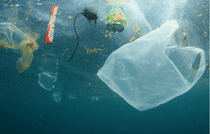
Plastic bottles, plastic cups, plastic food containers…plastic is everywhere, and researchers are discovering that our prolific use of plastic packaging for food and beverages may have serious consequences on our health and our environment. But all plastics are not created equal; some are far more problematic than others, both in manufacture and in use.

The numbers and letters on the bottoms of plastic containers may seem like acronym mumbo jumbo, but they indicate resin types and hold the key to knowing which plastics to take home and which to refuse. So let me provide you with a secret decoder guide you can carry with you to decipher among the not-so-good, the not-so-bad and the really ugly.

Let’s start with the uglies.

#3 is PVC (sometimes labeled as V) for Polyvinyl Chloride. PVC is commonly considered the most damaging of all plastics. It releases carcinogenic dioxins into the environment when manufactured or incinerated and can leach phthalates into your system with use.

#6 is Polystyrene (PS). You’ll mostly find this code on your foam cups and “to go” boxes, as well as some clear cups and containers. Polystyrene can leach styrene, a possible human carcinogen.

#7 is “other,” so this one is a bit confusing. In most cases, a #7 is polycarbonate (PC). For years I sipped out of a reusable #7 sports bottle, until I learned that polycarbonates can potentially leach bisphenol-A, a known hormone disruptor. Unfortunately, biodegradable plastic made from cornstarch or other plant sugars are also labeled with a #7, because it’s an "other," but that's a good kind of "other" and usually has the letters PLA for polylactic acid.

That leaves us with the lesser evils, which include #1 PETE (polyethylene terephthalate). Of all the single-use synthetic plastic bottles (as opposed to biodegradable plastics) PETE bottles are generally considered the safest. However, some studies indicate that repeated use of PETE could cause leaching of DEHP, an endocrine-disrupting phthalate and probable human carcinogen.

#2 HDPE (high density polyethylene) is also on the “safer” list. Some reusable sports bottles are a #2, and these are far preferable to the #7 versions. #4 LDPE (low density polyethylene) is considered reasonably safe as is #5 PP (polypropylene).

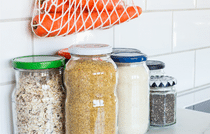
When it comes to plastics, the best advice is to play it safe. All plastics can leach chemicals under certain conditions, so it’s good practice to follow a plastic protocol: Never subject even the most durable plastic containers to high temperatures (like in the microwave or dishwasher; radiators; hot food or drink; or direct sun on hot days). When a plastic says it’s “microwave safe” or “microwavable” it doesn’t mean it won’t leach chemicals into your food, it means it won’t melt. Don’t use harsh detergents to clean plastics. Use alternatives like resealable glass containers to store and heat food, a stainless steel “to-go” coffee cup instead of plastic, and for hikers and bikers, try a stainless steel bottle, like the Klean Kanteen, available at local REI stores or at www.kleankanteen.com.

So as you shop, consult this pocket protector against plastics, or get more detail about the research being done on the environmental and health risks associated with plastic at www.thegreenguide.com or at www.ourstolenfuture.com.