








Return to Archived List of Ask Eco-Cycle Articles

Reducing waste with a litterless lunch

October 29 , 2004


Dear Marti,

I’m a parent helper at my kids’ school and every day at lunch the kids generate huge bags of trash—lots of plastic, juice pouches, and paperboard, Lunchables, screw-top plastic containers for chips, etc. Do you have any resources or suggestions for cutting down on lunch waste at schools?

Thanks,

Kristin


Dear Kristin,

When you’re in elementary school, it’s all about what’s cool. When I was a kid I thought my Scooby Doo lunchbox was cool…I mean, it had a thermos where Scooby’s head was the cup. Cool. But not anymore. These days what really makes a person hip in the land of elementary school lunches is packaging—shiny pouches, yogurt in tubes, and ‘food’ in little compartments appears to be especially slick. Who knew? Leave it to marketers to make waste cool.

It’s not just kids who are lured by overpackaging. The majority of the waste created by households in our nation comes from the packaging on the food we buy, and lunchtime is when most Americans young and old go for convenient yet wasteful options. It has been estimated that on average a school-age child packing a disposable lunch generates 67 pounds of waste per school year, which equates to 18,760 pounds of lunch waste for just one average-sized elementary school of 280 children. That trash becomes a problem not just for our natural resources, but for the financial resources of our already struggling schools that are charged to have the garbage hauled away.

To help alleviate the financial and environmental burden of this new phenomenon, and to teach kids eco-friendly habits, some schools around the country are starting to take action with programs like one created by Eco-Cycle to implement school-wide waste-free lunch. The program lets schools compete to see which one can reduce their lunchtime waste the most by using the following guidelines:

• Choose reuse: Pack a cloth napkin instead of a paper napkin, stainless-steel utensils instead of disposable plastics, and a reusable drink container instead of disposables.
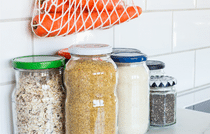
• Pack food in reusable containers. Avoid plastic wraps, plastic bags, wax-paper bags, and aluminum foil.
• Avoid pre-packaged items and reduce food waste by using reusable containers that can be resealed to take leftovers back home.
• Pack lunches in a durable lunch box or backpack instead of relying on paper or plastic bags.

Get kids in on the effort by turning the litterless lunch concept into a game where the goal is to have no lunchtime waste at all. Use sibling rivalry to your advantage by getting kids to compete with each other. They’ll start to think about what’s reusable, what’s recyclable, and what’s just a bunch of waste. Having conversations that explain what natural resource is wasted to make each type of packaging also helps kids connect to the choices they make.

To compete with enticing colorful packages, try a little colorful and creative packaging of your own, but make it reusable. Check out laptoplunches.com for lunch kits designed to counter the call of packaging. The website also has tips, tools and recipes to make packing a healthy and eco-friendly lunch quick and convenient.

If we succeed, we’ll make reuse cool once again. I think we can do it. Bell bottoms came back, “right on” came back, even Scooby Doo is back. Who’s to say it can’t be cool to do a little retro lunch packing?


Posted October 2004