
















Return to Archived List of Ask Eco-Cycle Articles

Zero Waste in Action

April 30, 2004

Dear Marti,

You wrote a column on “Zero Waste” and said that it’s happening all over the world. Does that mean there are some places that create no waste whatsoever? What’s a specific example?

Signed,

F.L.

Dear F.L.,

It means there are companies, communities, and in some cases countries worldwide that are implementing different aspects of the system called “Zero Waste.” Eco-Cycle is paying close attention to examples of Zero Waste in action around the world and down the street so we can learn from the best of the best and bring them together in one comprehensive package to help our community become one of the first in this nation to get to “Zero Waste…or darn near,” as we’re fond of saying. So while we may not be able to eliminate 100% of the garbage from the face of the earth, I’m going to make a little investor prediction: I see a declining market for trash cans and a bull market for recycling and composting bins. A quick glance around the world will tell you why:

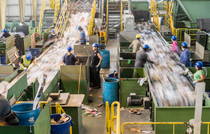
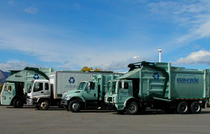
Imagine having all materials that could be recycled being collected at your curb. That’s what’s happening in Kirkland, Washington. Along with all the traditional recyclables, their curbside program also collects electronics, usable clothing, and “organics” like food scraps and yard waste.

Zero Waste is becoming a way for businesses to improve their bottom lines. Fetzer Vineyards in California is on track to reach its goal of Zero Waste by 2009. The nation’s sixth largest premium wine producer has reduced its garbage by 93% over the last seven years by recycling everything from glassware to antifreeze to wine barrels. Fetzer annually composts over 10,000 tons of grape seeds and 12 cubic yards of cork.

Mercedes is paving the way for car manufacturers to comply with the European Union directive that requires all car manufacturers to take back their products with 85% being reused or recycled. Mercedes has engineered a process to dismantle a car for recycling in just four hours and found the simplification of dismantling and reusing and recycling their product has saved them big bucks.

In Japan, a recycling law passed in October 2003 instructs computer manufacturers to place a recycling loop symbol on almost 98% of Japan’s PCs. Consumers can take labeled PCs to their local post office to be recycled free of charge.

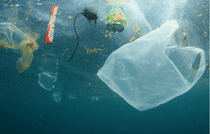
In an effort to reduce its plastic waste by 30 percent, Taiwan has passed a law banning the free distribution of plastic bags and disposable tableware in some 75,000 establishments, including restaurants, department stores, supermarkets, convenience stores, and fast-food franchises. Taiwan is only one of several countries that has considered or implemented policies restricting plastic use, including Ireland, South Africa, Australia, England, Singapore, and Thailand.

The Norwegian Pollution Control Authority has proposed to ban the landfilling of all biodegradable materials by mid-2009 to reduce the country’s greenhouse gas emissions.

In New Zealand, the only nation to officially adopt a Zero Waste goal, five schools in North Shore were honored as “WasteWise” schools last summer. Among them, Vauxhall Primary School stands out for their Zero Waste efforts. Vauxhall removed the school incinerator to prevent air pollution and now uses the space as a recycling depot; they recycle their paper, cans, glass and plastic for curbside collection; they compost and maintain worm farms and they have written a Zero Waste school policy.

These are just a handful of different Zero Waste efforts happening around the world. Put them together and you not only get “darn near” Zero Waste, you get darn near hopeful for a more sustainable future.