













Dear Janet,
Oh yes, Eco-Cycle is doing a lot about it, so much so that I couldn’t fully answer your question in a 550 word column. So I’ll have to give you the Cliff Notes version. I’ll call it “A Tale of Two Systems,” a story of the old way versus the new.
Chapter 1: Our current, “one-way” industrial production system (the antagonist in our story). We’re all familiar with this system. It’s the one where products are made from resources taken from nature and then they’re disposed of in a dump, causing a lot of environmental and human health problems along the way. We know the problems with this system, but we may not know why it continues. It’s because we the taxpayers pay the economic consequences for it and industry doesn’t.
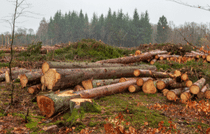
When a manufacturer wants to make a product, they need raw materials to make it, so they log, mine, and drill our natural resources. They can afford to do this partly because we as taxpayers help pay for things like roads to make it easier to get into the forests, or energy subsidies that offset the high costs of manufacturing products using virgin resources. In the manufacturing process, toxic effluents may contaminate air, soil and water, but taxpayers help fund the cleanup, so the manufacturer has no incentive to improve their practices.
Once the product’s life is over, it can just be tossed in the landfill. Unfortunately, landfills do leak “leachate,” a toxic ooze that poses threats to the local soil and water, and ultimately to human health. Taxpayers help pay the cleanup costs once again. Right here in Boulder County, the Marshall Landfill is a designated Superfund site. Since its closing in 1992, City of Boulder taxpayers have paid $400,000 each year in cleanup costs with no end in sight. As long as the taxpayer helps to foot the bill, why would this system change?
Now for Chapter 2: A new industrial production system called “Zero Waste” (our protagonist). It is possible to have our modern products and a healthy environment, too. In a Zero Waste system, manufacturers use recycled resources before they use our natural resources. Tax subsidies are shifted from supporting wasteful and polluting processes to supporting environmentally-friendly ones. “Extended Producer Responsibility” laws hold manufacturers legally, financially, and physically responsible for the products they create, giving them the incentive to design their products and packaging for clean production and to be recycled, reused or composted at the end of the products’ lives. The producer either takes back their product for remanufacture or supports recycling programs that collect their products. Costly landfills are replaced with “resource recovery parks” that recycle, reuse, or compost almost everything produced, creating jobs and resources for the community, instead of a big tax burden.
Sound like a fairytale? Zero Waste is growing all over the world, with great success for both industry and the consumer. Eco-Cycle is working to bring those successes to our community. To hear the full, unabridged story, come to an Eco-Cycle presentation on Earth Day, April 22, at the Boulder Public Library at 7:00 pm.
Whew! There you have it in 550 words exactly.