













Dear Anita,
Thanks for crowning me, but unfortunately, my monarchy doesn't hold a lot of weight with manufacturers. For some strange reason they continue to defy my rule.
What does carry clout, though, is our collective buying power. In other countries, especially in the European Union, there are all kinds of federal laws that ban certain types of overpackaging, or that require products and packaging to be designed with minimal resource impact and to be recycled, reused or composted at the end of their useful lives.
If you've shopped in places like Germany, for example, you've seen a distinct difference in the way products are packaged. The same products you can buy in the United States are available there with less packaging, less-toxic or non-toxic components and more recyclability because manufacturers must comply with federal laws that require them to design their products for the environment, not the dump.
Historically, the United States hasn't been big on that kind of federal legislation. This is the land where the consumer is king or queen, so it's up to us to make this kind of change happen. Whatever we buy, they will make; whatever we refuse to buy, they'll discontinue.
One simple way to exercise this power is to "precycle," and avoid waste or wasteful products by not buying them in the first place. Precycling goes like this: Whenever you buy, ask yourself, "What was this product and its packaging made from, and what will it become when I'm finished with it?" Then:
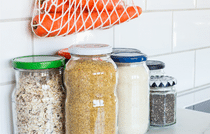
Buy products that are minimally packaged. Packaging is a waste of resources and money. According to the Worldwatch Institute, packaging makes up half the volume of America's trash, and one out of every $10 we spend at stores is for packaging. Thanks to the preferences of the Boulder County consumer, we're incredibly fortunate to have access to bulk buying options for everything from grains and laundry detergent to pet food and shampoo. The Boulder Co-op Market even has bulk eggs where you can reuse paper egg cartons (even better than recycling them) and bulk soap you can cut yourself.
Buy less toxic. Avoid products that are either toxic to produce, such as Styrofoam or non-organic produce, or toxic to use, such as toxic cleaners or toxic paints and solvents.
Buy recyclable. If your product does come packaged, be sure the packaging is recyclable according to local guidelines. Check www.ecocycle.org to be sure.
Buy recycled. Buying products made from recycled content supports the use of recycled materials instead of virgin resources. Look for the recycling symbol with text indicating the product or packaging is MADE from recycled content, not just recyclable.
Choose durables over disposables. Buy the reusable alternative to products such as disposable razors, plastic cutlery or dishes, paper napkins, batteries, etc.
Be prepared to reuse. Assemble a reuse kit to keep with you so you have it readily available when a reuse need presents itself. It should include: canvas shopping bags, refillable bags and containers for your bulk purchases, a reusable container for restaurant leftovers, a refillable coffee mug, and even a fork and cloth napkin so you can say "no thanks" to plastic cutlery and paper napkins with "to go" orders.
Express yourself. Tell the manufacturer of your cheesecakes that you like their product, but you won't buy it again because of the overpackaging. You'd be surprised how much impact that carries. This revolution is going to be won in the stores, and it's important to remember that YOU rule and have the power to create change.