








For events of all sizes, including Zero Waste Event Kits
Return to Archived List of Ask Eco-Cycle Articles

Paper or plastic? Bring your own bags

June 13 , 2003

Dear Marti,

Which is the better choice environmentally, a paper bag or a plastic bag? I never know which is the best answer to "paper or plastic?"

- Sylva


Dear Sylva,

It's one of life's great questions, and you need to be prepared before you answer because there are bag pushers lurking everywhere trying to get you hooked on bags -that clerk at the grocery store who wants to put an extra bag around your dishwashing soap, the book store cashier who feels it's just not right for you to carry out your single book naked and exposed in your hand, or the cosmetic counter worker who bags your new lipstick even though it will soon live bag-free in your purse. According to the latest estimates from the American Forest and Paper Association, Americans have a bad bag habit-annually using 40 billion grocery bags alone. Four out of every five shopping bags used in the U.S. are plastic. Though the vast majority of paper or plastic bags are used for mere minutes and then tossed out, the long-term environmental impacts of either choice are significant.

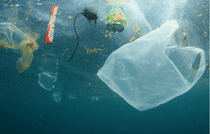
Paper bags are made from trees, a 'renewable" resource, and are easily recyclable with your corrugated cardboard, but they're typically made from virgin paper (using an estimated 14,286,000 trees per year) and are manufactured through a highly polluting process. Plastic bags are lightweight and convenient, but if you choose plastic you're choosing a product made through a highly polluting process from a non-renewable petroleum resource. Plastic bags are also difficult to recycle, and their light weight means they easily blow away, becoming tree decorations or the number one roadside litter problem. In less land-locked areas, plastic bags become a fatal hazard to marine life who mistake them for food.

Many countries around the world, including South Africa , Australia , Ireland , Bangladesh , and the UK are recognizing the problems with the prolific use of disposable bags-particularly the litter problem associated with plastic bags and the devastating impact plastic bags have on marine life. These countries are taking action to encourage shoppers to bring their own reusable bags to the store. For example, Bangladesh has banned the use of plastic bags entirely, and Ireland's move to charge a 15 cent tax on every plastic bag has resulted in more than a 90% decrease in the use of plastic bags in that country, raising over $3 million for an environmental fund. The success of Ireland 's program has prompted many other countries to consider following suit.

So what's a conscienscious environmentalist to do? Don't succumb to the bag pushers. Ask yourself if it's really worth the environmental cost to have a bag you'll only use for a few minutes. Then, either carry your purchases out unbagged (if you've only got one or two things) or do like the Europeans do and whip out your own reusable canvas bags. Get in the habit of keeping reusable bags in the car, at the office, or in your backpack. Don't use bags unnecessarily; let produce like bananas, avocados and oranges go bag free. If you do have a paper or plastic bag, reuse it until it busts, then recycle it. Brown paper bags are recyclable with your corrugated cardboard, and you can bring your old plastic grocery, newspaper or dry cleaner bags to the Eco-Cycle/Boulder Center for Hard to Recycle Materials (CHaRM)--call 303-444-6634 for details and directions. The best thing to do the next time you're confronted with the "Paper or Plastic" question is to "just say no" to either. All the cool kids are doing it.