















Front Page

Director's Corner

Volunteer Opportunities

Environmental Choices

Enviro-Calendar

Ask Rosie

Become an Eco-Cycle Member

In This Issue

Landfills Cause Global Warming

What Happens to my Recyclables?

Girl Scouts Go for Zero Waste

Read the Label First: Avoid Toxins Before You Buy

Partners for a Clean Environment


Computer Recycling the Green Way

New Materials Accepted at the CHaRM

Glass Recycling Becomes a Challenge

How's the Air Quality in Your Home?

Zero Waste Around the World

Recyclers Get 10% from Coke and Pepsi

Local Action for Global Warming


EcoExtras: Thank You's

CU Update

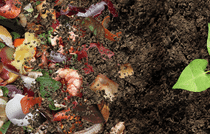
Warming Up to Compost


Warming Up to Compost

Gardening With Compost
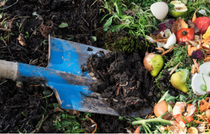
The warm weather is here and it’s time to use that wonderful compost you’ve been caring for all fall and winter. You’ll know your compost is ready to use when it looks and smells like rich soil (anywhere between three weeks and several months, depending on the conditions in the pile). You can help bring new life to your lawn and garden by using compost in the following ways:

• On flowers and vegetables, work in half an inch of mature compost into the top six inches of the soil with a garden fork or rototiller. Be sure the soil isn’t sodden with water, because when it dries it can result in an “adobe” effect that harms the plants.

• On perennials, use compost as a mulch to gradually improve the soil. Apply it an inch or so deep, between the plants.

• On seedlings or potted flowers, use 20% mature compost in the soil mix (provided the mix you purchased doesn’t already contain compost or worm castings).

• On trees and shrubs, spread uncomposted wood chips, grass clippings, and leaves around plantings. Be sure that woody wastes are sufficiently chopped up.

• For indoor plants, add small handfuls of compost to the surface of the soil inside the pots. It will break down over time and provide nutrients as it decomposes.

• For ailing houseplants, try compost “tea” made from a shovelful of finished compost soaked for a week in a 5-gallon bucket of water. Drain off the liquid and dilute one part tea with two parts water, then water indoor or outdoor plants.

Getting Compost Started
If you haven’t started a compost pile, any time is a great time of year to get it going. It’s easy, and keeping organic materials out of the landfill prevents methane emissions, saves you money in fertilizer and trash costs, and improves tilth (good soil structure) in your garden. It doesn’t take a lot of work or a fancy piece of equipment to start the process—composting will happen naturally even without your input—but by following these simple steps you’ll accelerate the process of creating a healthy soil amendment that you can use in your garden, on your lawn, or with your house plants. Here’s how to get started:

• Get a compost bin or find a place in your yard large enough to accommodate a 3’ x 3’ x 3’ pile. Adequate size is important for reaching the proper temperature.

• Mix two parts “brown” material (e.g., small twigs, dry leaves, straw, wood chips) with one part “green” material (e.g., fresh grass clippings, fruit and vegetable waste, coffee grounds, egg shells). This brown:green ratio provides the best mix of carbon and nitrogen-containing materials.

• Keep meat, egg and dairy products (egg shells are okay) out of your compost pile. Excrement from dogs and cats should also be kept out.

• Chop up any twigs and large pieces of fruit and veggie waste. The more surface area you create within your pile, the faster the material will decompose.

• Keep your compost pile moist but not wet—the consistency of a wrung-out sponge. Water the pile if necessary.

• Turn your compost periodically. Compost needs air or else it starts to smell. Turning the compost will accelerate the decomposition process.

Where can I get a bin?
If you’re looking for a ready-made bin, check out McGuckin Hardware, Sutherlands, and Fruehauf’s in Boulder; Village Gardener and the Ace Hardware on Main Street in Longmont; and Costco in Superior. Prices range depending on the model type, but remember that the secret to composting does not lie in a commercial bin. Many folks do just fine by simply wiring off a 3’ x 3’ x 3’ area, while others use pallets for bin walls.

How do I learn more?
Become a Master Composter by taking one of the excellent trainings provided by the Boulder Energy Conservation Center (BECC) and the Colorado State University Cooperative Extension office. BECC also has great information on xeriscaping—essential in our arid, Colorado climate. Contact BECC at 303-441-3278. The CSU Cooperative Extension office can be reached at 303-776-4865. Check out Worms Eat My Garbage by Mary Appelhof, or visit her web site at www.wormwoman.com for more information on bins, the composting process, uses of finished compost, and more.


Feed Your Lawn, Not the Landfill!
Grass Clippings Help Lawns in Colorado’s Dry Climate

Cutting the grass doesn’t have to mean a feast for the landfill. When you leave grass clippings on the lawn, or “grasscycle,” you save the time it takes to rake and bag clippings; you save fertilizer, trash fees, and water costs; you prevent greenhouse gas emissions from landfills; and you enrich the soil by returning valuable nutrients to it.

In fact, given Colorado’s dry climate and the drought conditions prevailing so far this year, grasscycling is an especially important and simple way to conserve soil moisture and fertilize your lawn. And don’t worry—leaving clippings on the lawn doesn’t cause thatch; it’s grass roots and stems, not grass clippings, that cause that problem. Just be sure to not let your grass get too long before mowing.
A mulching blade may help you grasscycle more effectively. Mulching blades are available at hardware stores for about $20, and can fit most any mower.


Home | Recycle at Home | Recycle at Work | Recycle at School | Hard-to-Recycle Center - CHaRM | Tidbits and Facts |
Zero Waste | Newsletter | Calendar and Info | Composting | Buy Recycled | Hazardous Waste | Stop Junk Mail | Volunteer |
Support Eco-Cycle | Site Map |


Newsletter Web Site Design By Ariel Design Group
© Copyright Eco-Cycle, 2000.
All rights reserved.